One of my most memorable roadkill drives happened a handful of autumns ago. I was visiting some friends who also happened to be roadkill fanatics. We had set off on a long drive, and were on a quest for some venison. With the peak of the deer breeding season being just days away, there was no shortage of carcasses along the roadside. We stopped for every single one, carefully examining each. To our dismay, the majority of the deer we found were past prime. Like Goldilocks searching for the best porridge, we wanted a deer that appeared “just right.” Most of the deer we found were too smelly, bloated, or had too much fur falling out.
However, our luck would change when we spotted a stiff deer with his legs in the air. Our driver was hesitant to stop for him, but the group insisted. Although stiff, he had all the trade marks of a fresh kill. His eyes were clear, he had ticks on his ears, a warm belly, and none of his fur had begun to slip. Although he was slightly bloated with rigor mortis, the cold temperatures had kept the meat fresh. Later that night, he would become our supper.
There are many people who are interested in learning how to harvest roadkill, but are afraid that they will pick up the wrong deer. I once got into a lengthy argument with someone who claimed there was no way to tell if a deer was fresh. However, as someone who has salvaged enough roadkill deer to feed a village, I beg to differ. While the smell of carrion is the most blatant sign of spoilage, I’ve found there are a lot of visual cues that will alert you as well.
In this article, I have compiled a list of observations I look for whenever I am trying to determine if a roadkill deer is salvagable. I have included descriptions, as well as photographs depicting salvagable and unsalvagable deer. However, it is very important that you don’t salvage a deer based off of one observation alone. In my blog post “ The Clear Eye Myth”, I nearly salvaged a doe simply because she had “clear eyes.” However, upon further inspection, it was obvious that she had been laying out for too long. Her underbelly was starting to turn green, and her white belly fur was slipping. Fresh deer will always give multiple clues that they died recently. It is important that you look over the entire deer, before you decide to take him home.
Another important consideration….
Before you even decide to pick up a roadkill deer, it is a good idea to be aware of the forecast. A deer killed on a cold day will stay fresh for much longer than a deer killed on warm day. Therefore, I consider the ideal temperatures to pick up roadkill to be 40 degrees fahrenheit and below. I have salvaged quite a few deer that had been laying overnight in frigid weather. None of these deer had spoiled. However, once the thermometer rises above 40 degrees, the clock begins to tick. Personally, I would not pick up a deer that has been dead for more than a few hours in 45 degree weather. If the temperature reads 60 degrees, cut that time down to under two hours. Anything more, I don’t recommend picking up the deer unless you see him get hit and are able to quickly get him on ice. I have seen deer killed in 65 degree weather fully bloated in less than two hours. In addition, you will have less time to salvage a deer if there is any internal damage, as the spilled bodily fluids seem to accelerate any spoilage. You should also keep this in mind while butchering the deer, especially if you’re a beginner or prefer to take things slow.
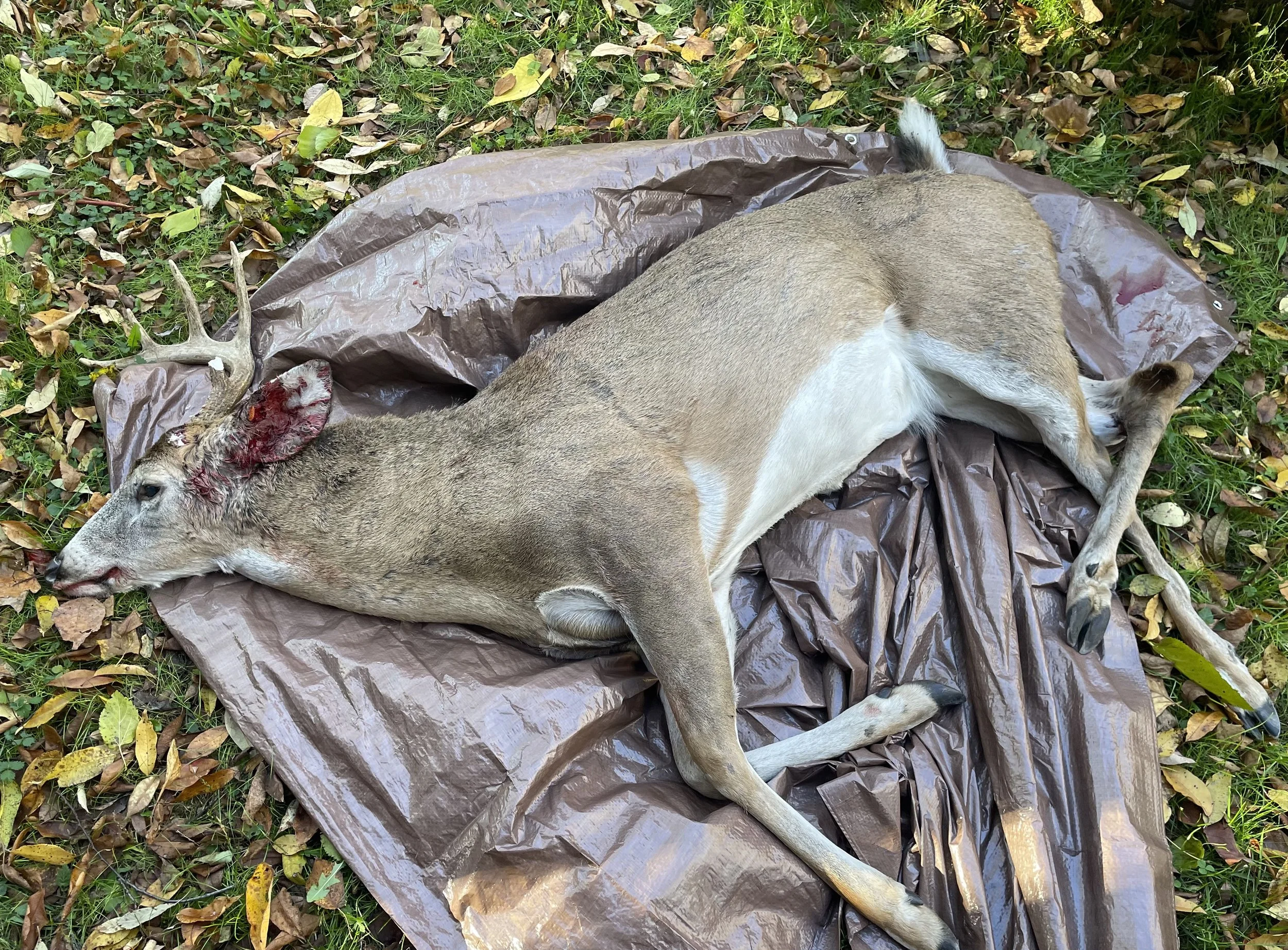
This buck showed every sign of being a fresh kill. He had a tight belly, no fur slippage, clear eyes, fresh blood, and live ticks. The temperature was about 40 degrees fahrenheit. He was dead for about an hour when this photo was taken.
The Underbelly
The first place I check on a roadkill deer is the underbelly. Compared to the rest of the animal, the underbelly spoils much faster. This is due to a combination of retained body heat and digestive bacteria in the intestines. Shortly after a deer dies, the bacteria multiply rapidly and begin to break down the surrounding tissues. It is the respiration from these bacteria that cause the ‘infamous” bloated belly . If a deer is only mildly bloated, and the temperatures are cold, there is still a good chance the deer is salvagable. I have eaten a few slightly puffed up deer, and the meat was still in good shape. However, I recommend avoiding any deer that resemble a blown up balloon, as it is a warning that bacteria are hard at work.
Another warning sign of spoliage in the belly, is discoloration. As the tissues in the stomach break down, the meat on the outside will often be tainted as well. You may notice a greenish hue inbetween the belly and genital area. A friend of mine once salvaged a deer that had a green belly, but the rest of the meat appeared fine. I cut off the good parts, and gave them a taste test. Even though we didn’t get sick, the meat did not taste as good as it would on a fresher deer. I do not recommend picking up a green bellied deer unless you’re desperate, and the deer does not show any other signs of spoilage (see sections below).
It is important to note that discoloration on the belly may also be the result on internal injury. I’ve found blue bellies on deer that I knew were very fresh. When I opened them up, the body cavity was filled with coagulated blood. As long as the deer passes the other sections, and the discoloration is more blue rather brown, I would still salvage the deer.
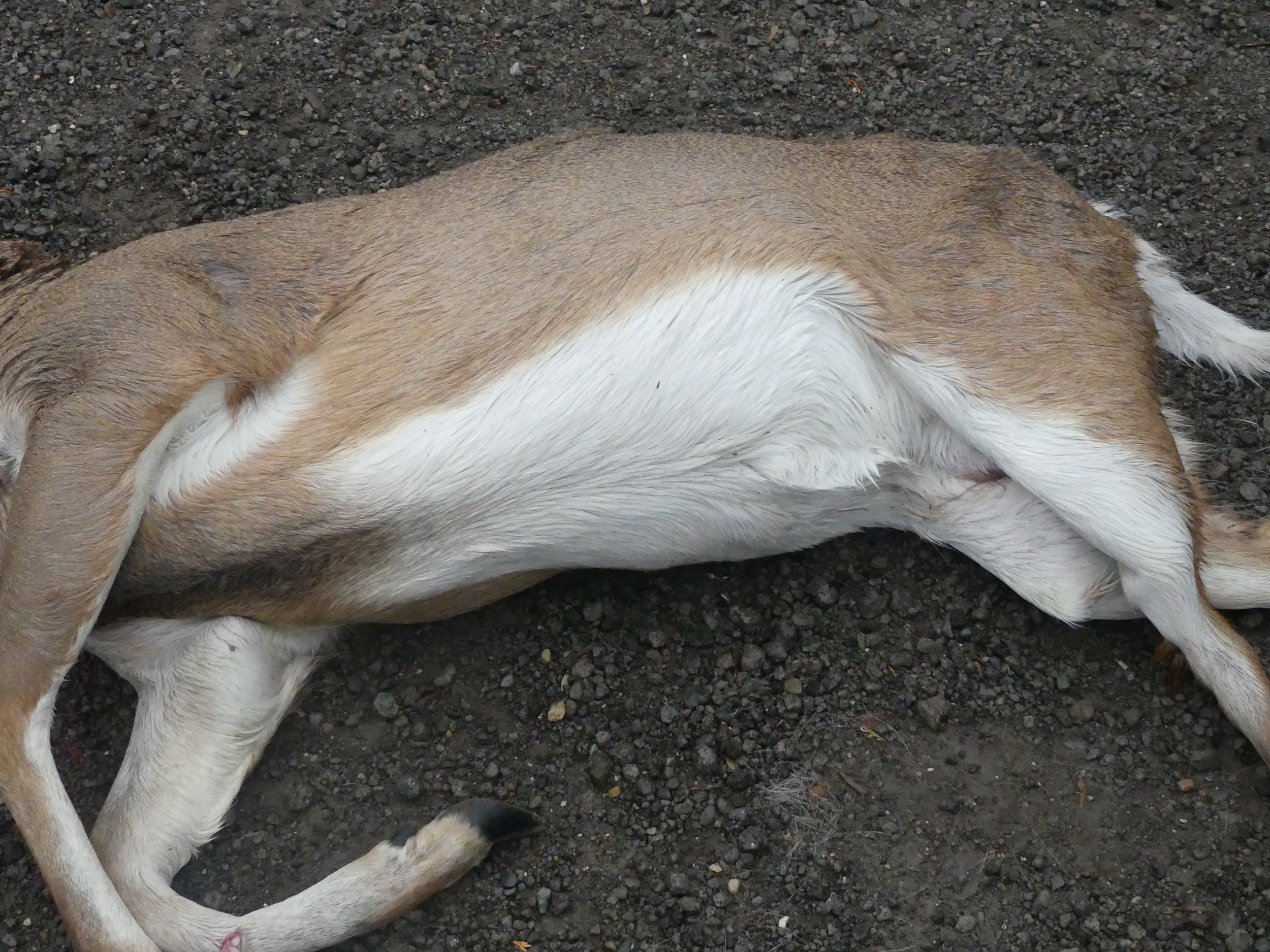
Salvagable deer: The underbelly is flat, and resembles how it did when the deer was alive. If the belly is slightly bloated, the deer may still be salvagable as long as the temperatures are cold and the deer passes the other tests (see next sections). The buck pictured was dead for several hours. He did not stink, and his belly was still warm. The air temperature was hovering around 35 degrees fahrenheit.
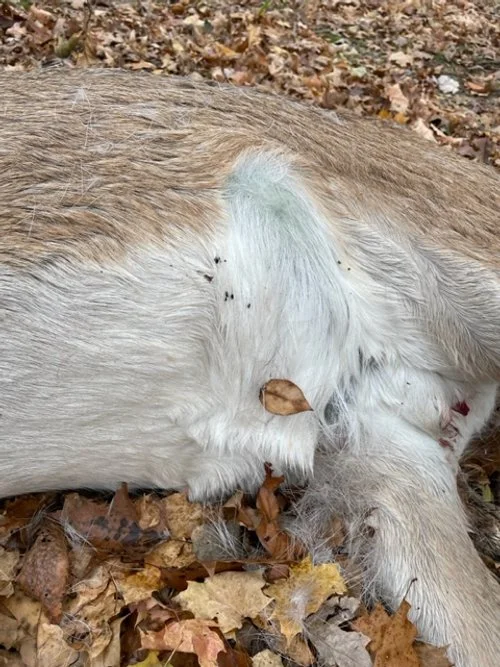
Unsalvagable deer: The belly is noticeably puffed up, accompanied by bluish or greenish discoloration. The hair on the belly was also slipping, and the deer smelled terrible. These are signs that the bruising is caused by spoilage, rather than injury.This deer had died overnight, and wasn’t found till midday. The nighttime temperatures were in the upper 30’s, and the day time temperatures peaked around 50 degrees.
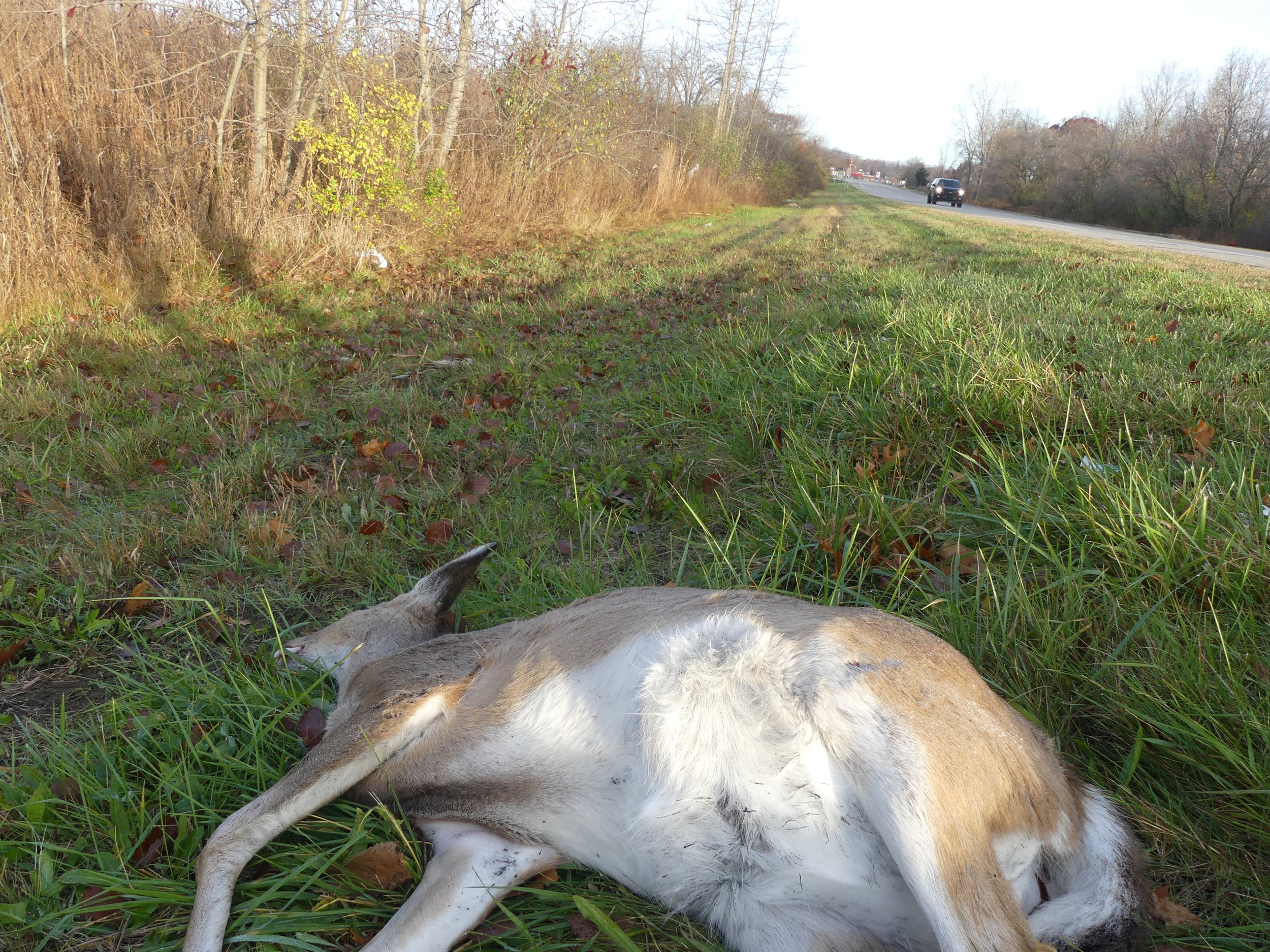
Possibly salvagable deer: If the belly appears mishapen, or has a lump, there is likely internal damage. As long as the deer passes the other tests; the meat is likely still good. However, you’ll have to be careful not to contaminate the meat while butchering. This doe pictured was not salvagable, as she failed the fur slippage test. Her estimated time of death was 2-3 days prior.
The Fur Slippage Test
Another obvious sign of decomposition, is fur slippage. Fur slippage happens when an animal’s flesh begins to break down, causing the hairs to detach and fall out in large clumps. To check for fur slippage, gently pinch the white hairs on the deer’s underbelly. Since the underbelly is the first area to spoil, this will be the first place a deer’s hide begins to slip. If the hair is tight, or there is light shedding, that is a good sign. However, if the hair pulls out readily in large clumps, the deer is past prime.
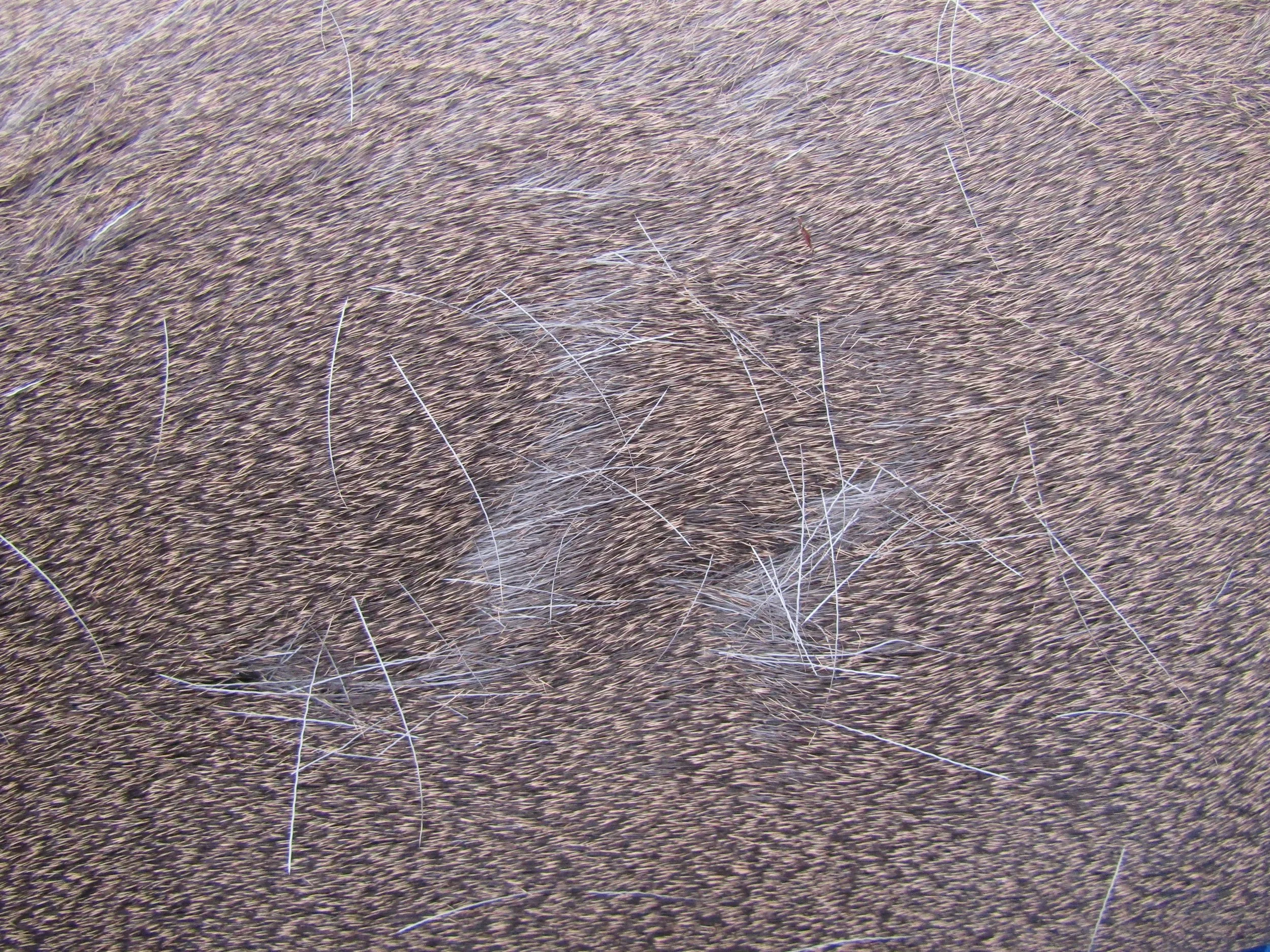
Salvagable deer: If you grab a pinch of white belly fur and pull out a few hairs, that is normal shedding. This doe was a very recent kill. The air temperature was only 15 degrees fahrenheit, but her body was still warm.
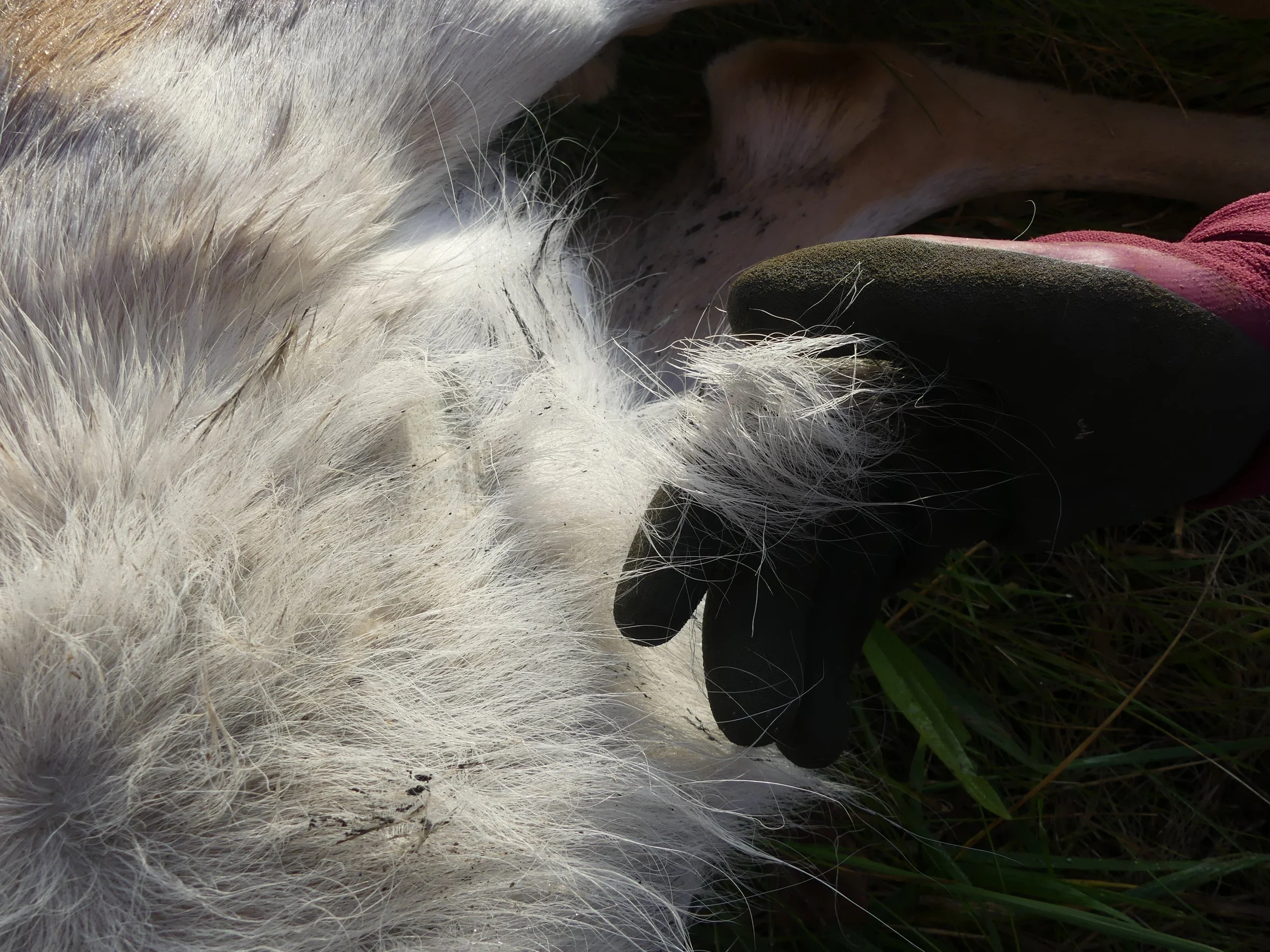
Unsalvagable deer: If the white belly fur falls out in large clumps when tugged on, you should steer clear of the meat. This is a sign that the flesh touching the organs has begun to break down. The deer pictured above had been dead for a couple of days.
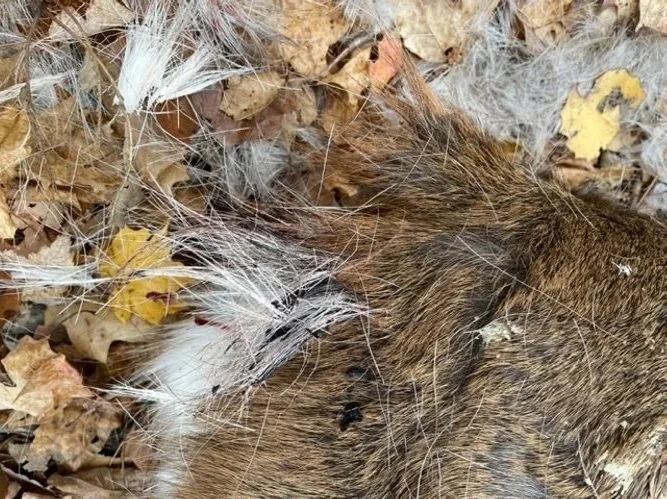
Unsalvagable deer: If there are clumps of fur surrounding the carcass, the deer has been dead for far too long. This can also mean that scavengers have beaten you to the carcass, and that the deer is best fed to coyotes.
The Eyes
A fresh deer’s eyes will resemble closely to how they did when he was alive. The only difference, is that the pupils will be dilated and there may be some glassiness. However, they will retain their round shape, and be moist to the touch. On a very fresh deer, the eyes may still reflect if a light is shone on them. Over a span of 1-2 days, the eyeballs will begin to lose their shape. They will wrinkle, dry out, and turn milky white or purple. A deer laying out for awhile may have eyes that resemble raisins. It is important that you check both eyeballs, as the one touching the ground will often shrivel up first.
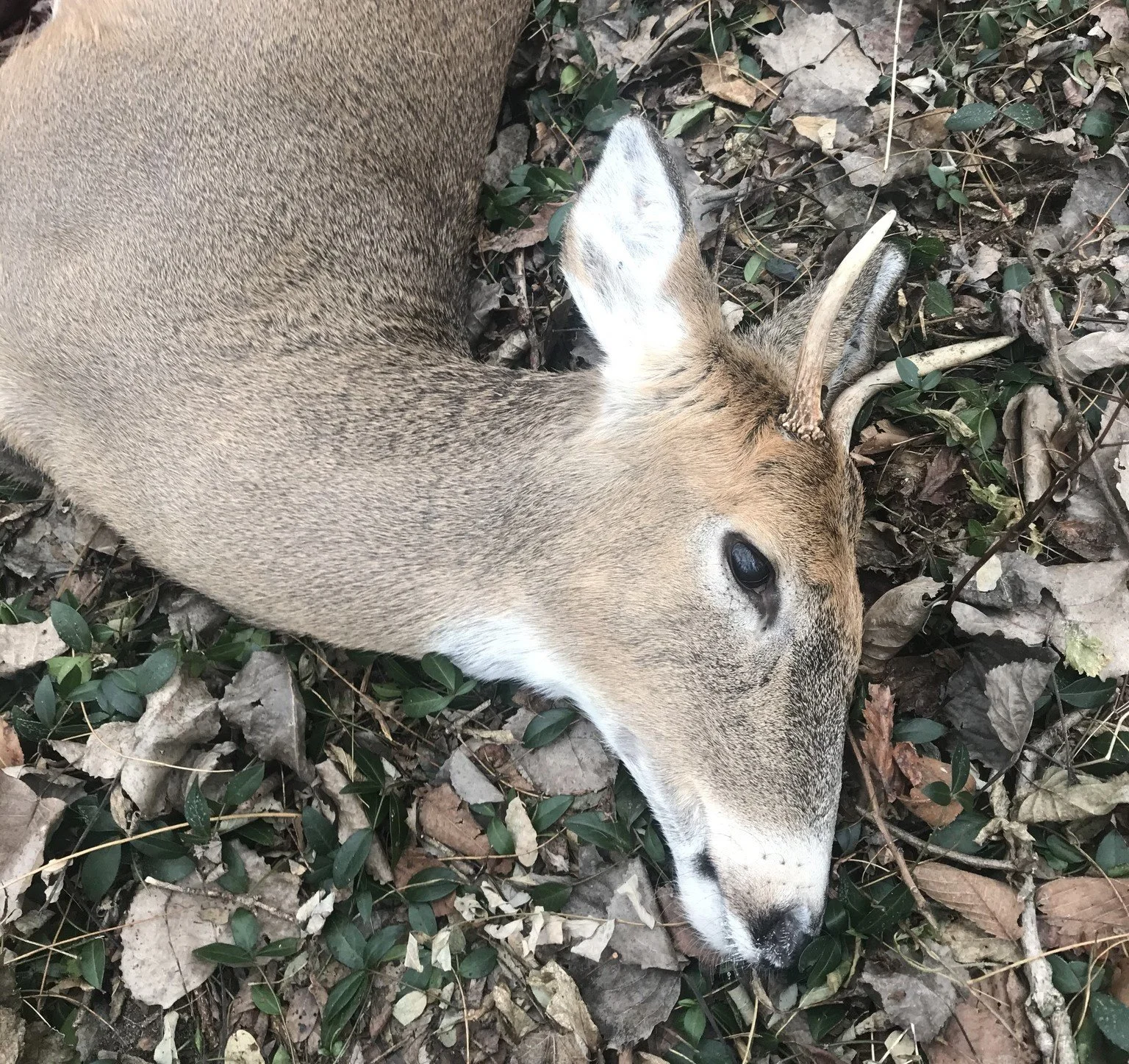
Salvagable deer: This buck is as fresh as they come. His pupils weren’t dilated, nor were his eyes glassy. He had to have died minutes prior to me finding him.
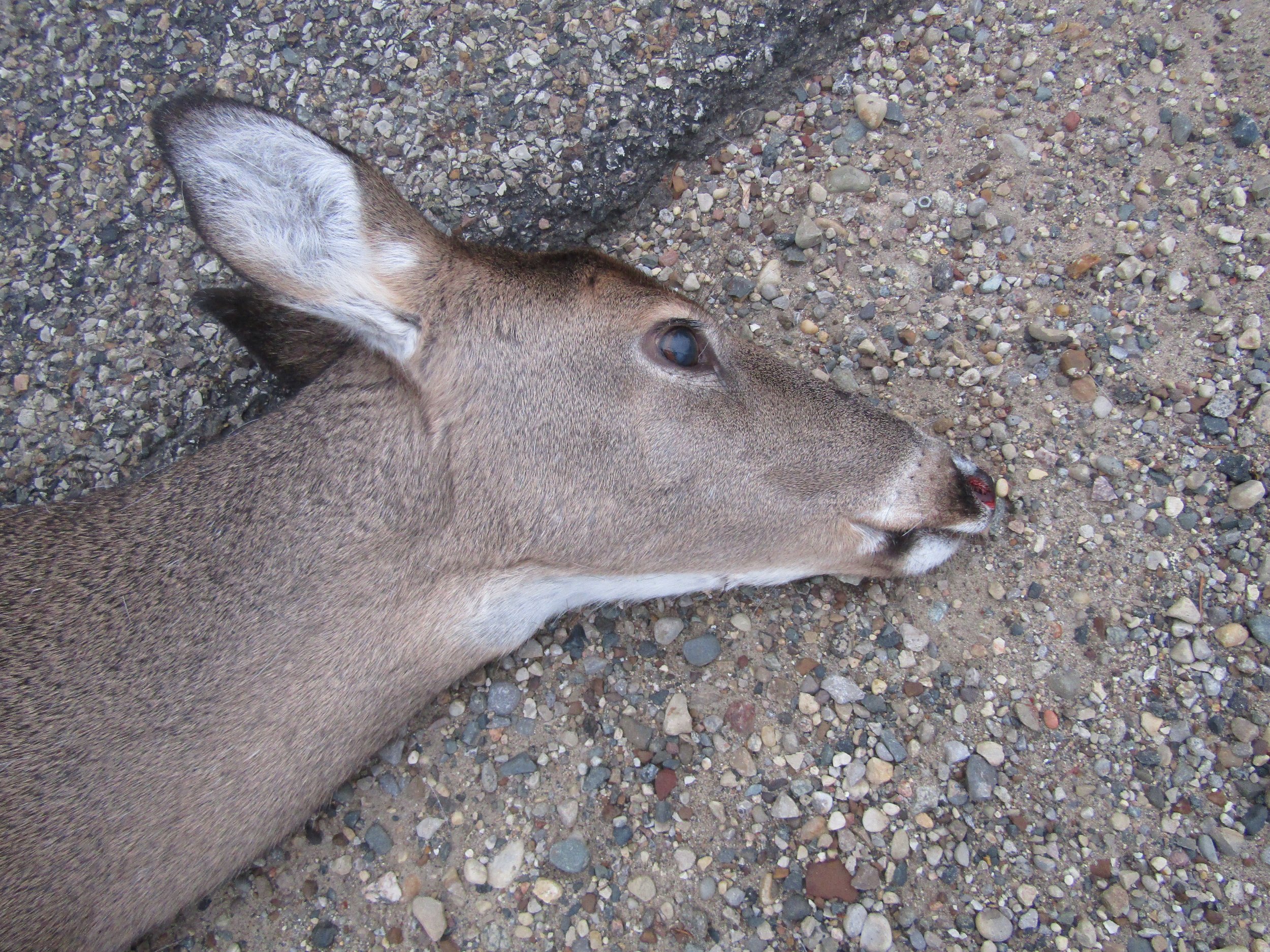
Salvagable deer: Minutes after death, a deer’s pupils dialate, and the eyes may appear glassy. However, they’re still moist and retain their round shape. This deer has been for several hours. The air temperature was around 15 degrees.
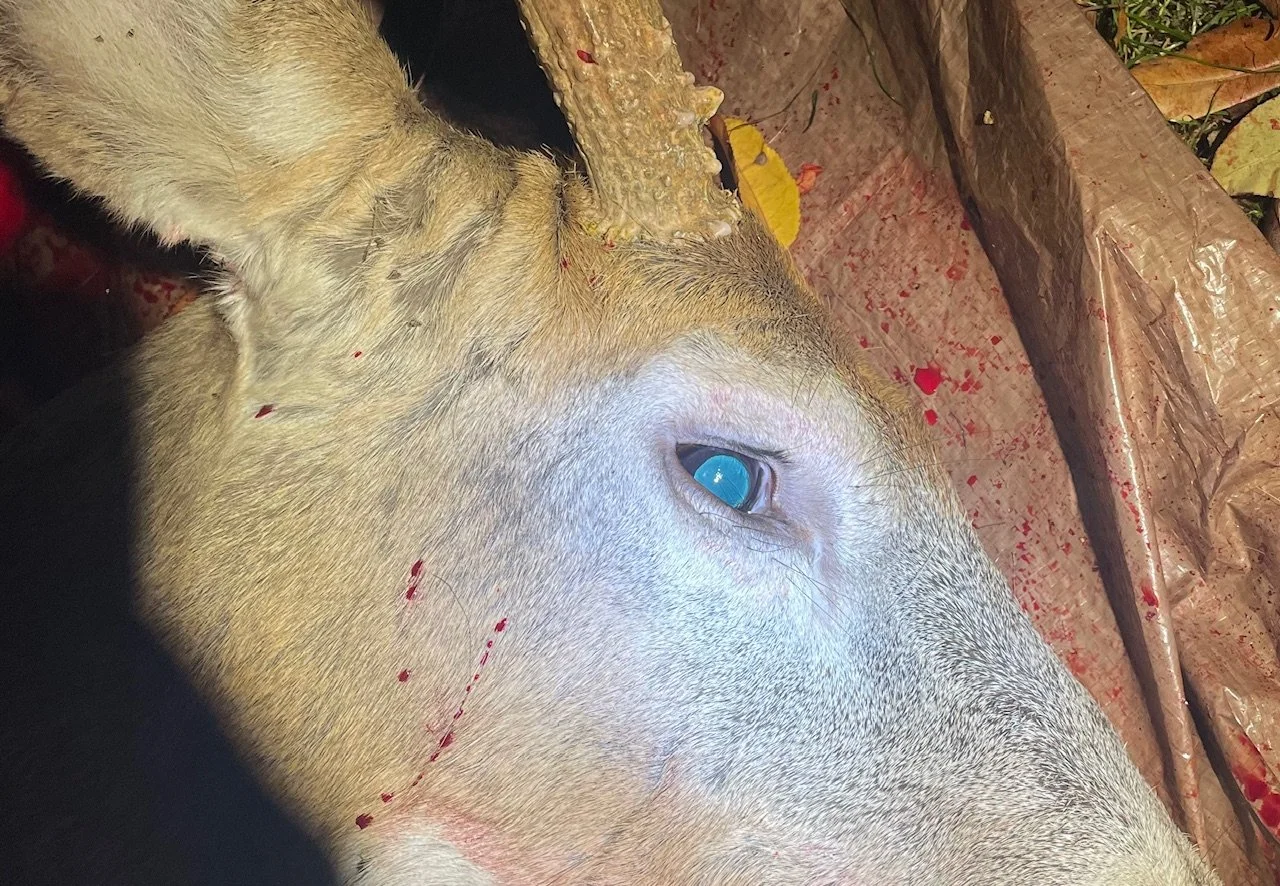
Salvagable deer: The tapetum lucidum is a reflective layer behind a deer’s eyes that allows them to see in darkness. If you shine a light in a roadkill deer’s eye and they reflect back at you, the deer hasn’t been dead for long. This buck has been dead for four hours. The air temperatures were around 40 degrees fahrenheit.
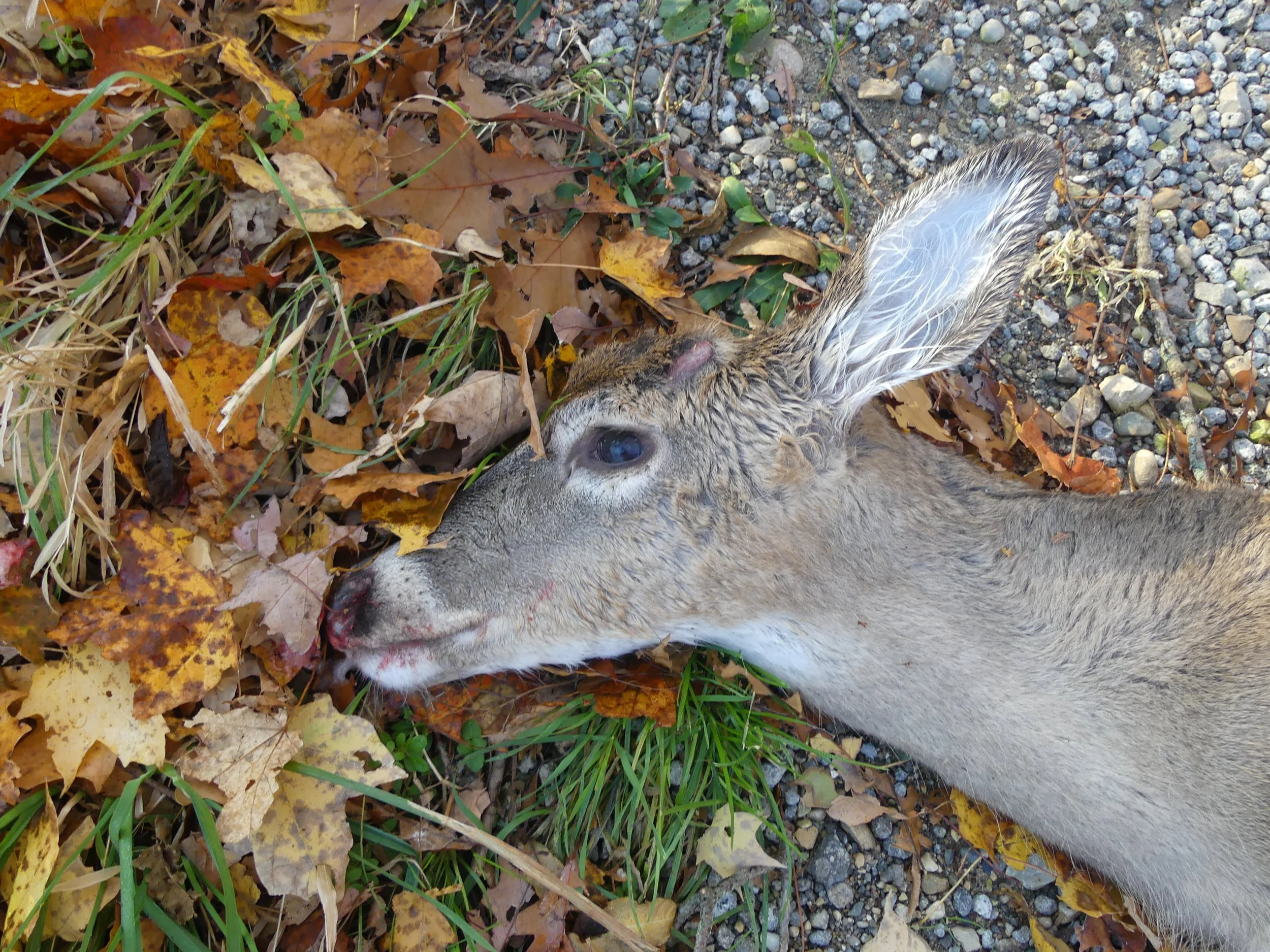
Unsalvagable deer: This young buck almost deceived us. His left eye, although round and moist, had a milky spot in the pupil. When we flipped him over, we saw his other eye resembled a white raisin. With the fur on his belly beginning to slip, I did not feel comfortable collecting him. I estimate he had been dead for nearly two days. The temperatures ranged from 30 to 45 degrees fahrenheit.
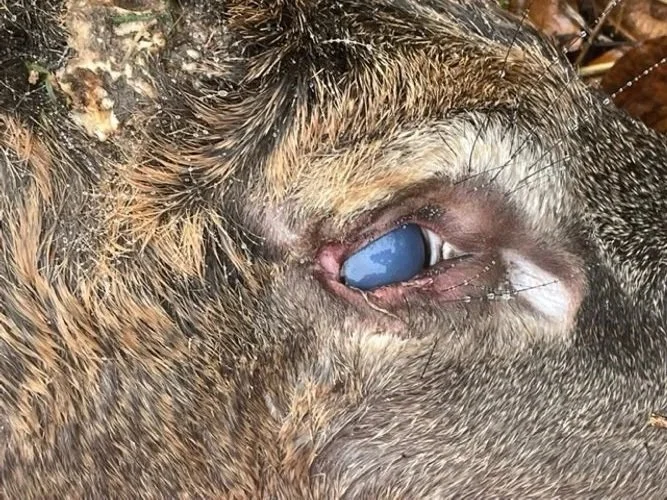
Unsalvagable deer: Deer that are too far gone will have milky eyeballs that resemble pearls. This was a head from a deer I collected that had been left outside for about two days.
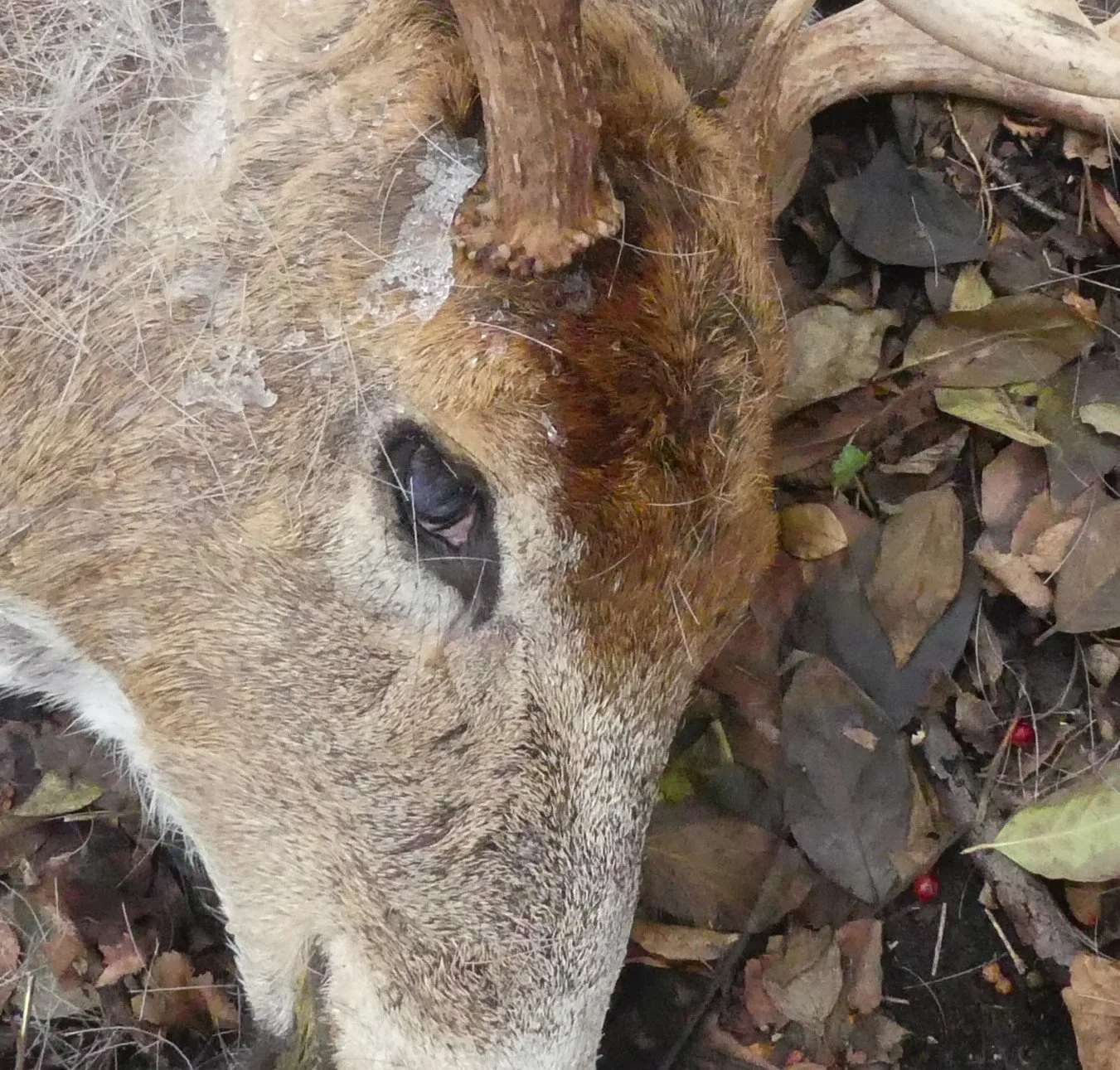
Unsalvagable deer: After the eyes cloud over, they darken and shrivel up like raisins. This buck has been dead for nearly a week.
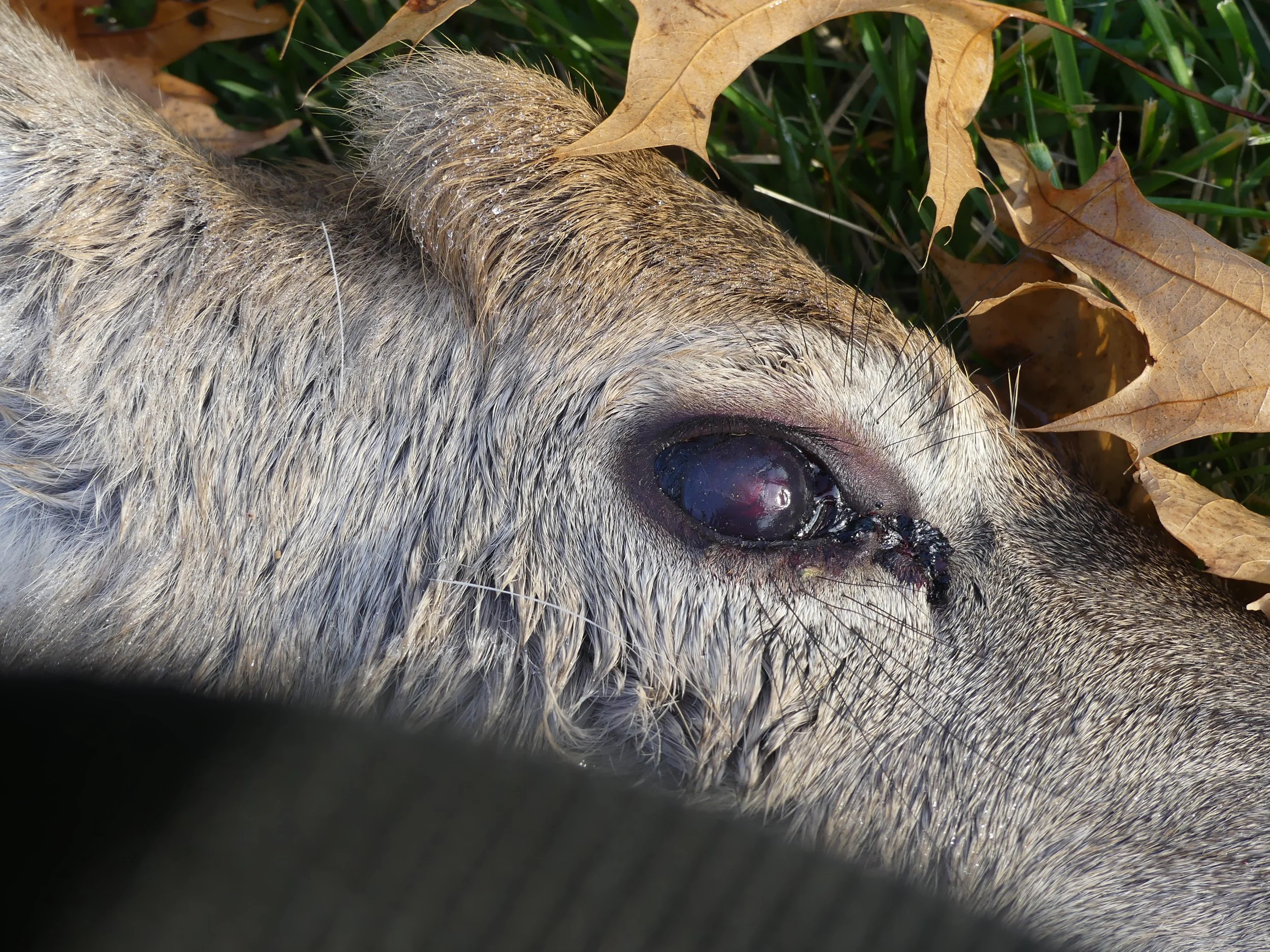
Unsalvagable deer: In some cases, the eyes will turn pink before clouding over. They may even leak fluids. This buck has been dead for atleast two days.
Fresh blood
A recently killed deer will often have blood near or even leaking from his body. Blood on a fresh kill will be bright red, sticky, and sometimes warm. A very fresh deer may still have blood dripping from his wounds. If the blood is dark or partially dried, the deer is less fresh. I also examine any open wounds on a roadkill deer’s body. A fresh wound will be bright red, while an old one will have dried and turned brown. Some deer may have blood bubbles around their mouth or nose. These bubbles can be caused by oxygen rich blood leaking from a punctured lung, or respirating bacteria within the digestive tract. Always examine the deer further to be sure.
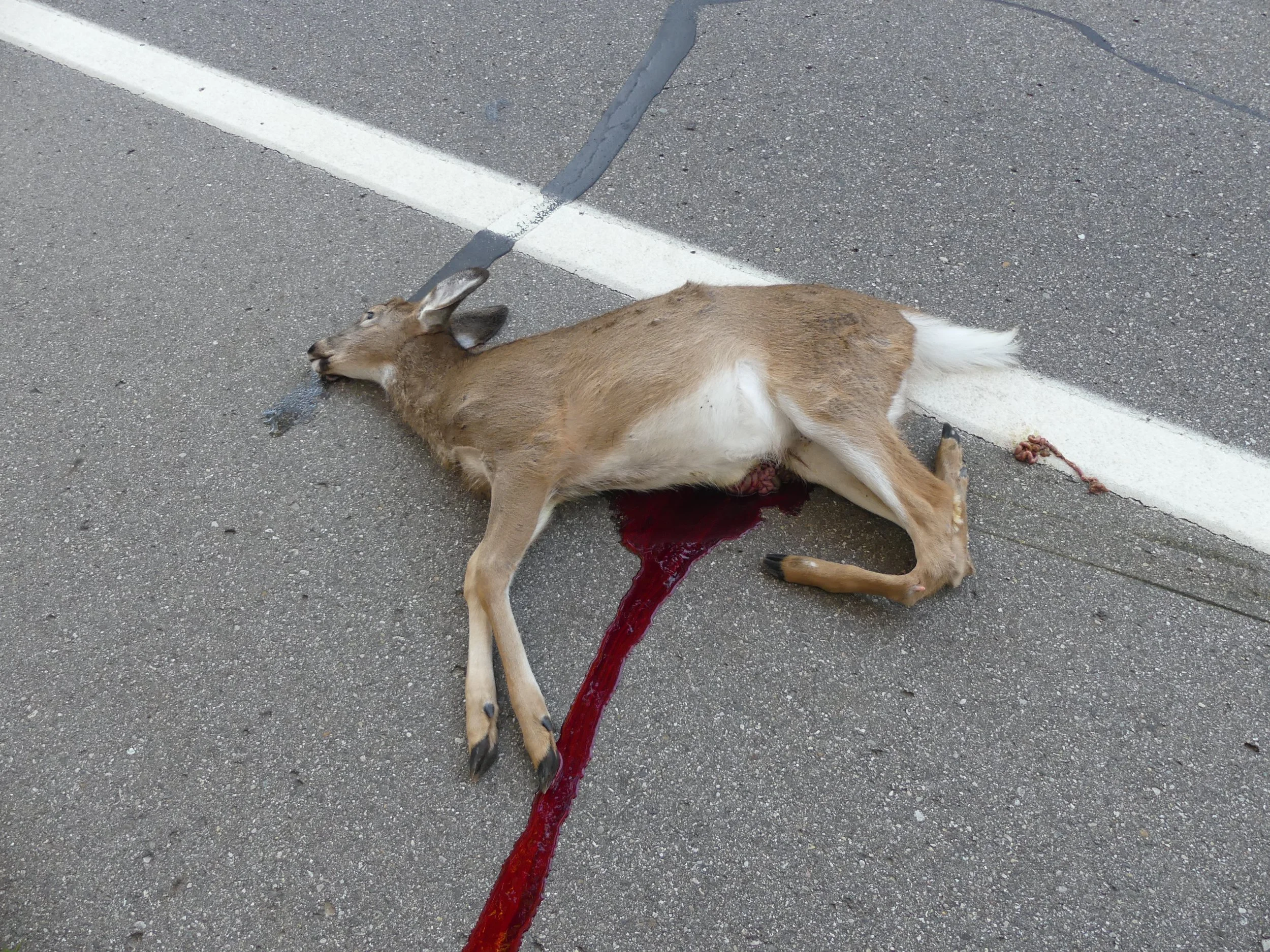
Salvagable deer: A very fresh deer will have blood leaking from his wounds. The blood may be warm. This button buck has been dead for less than two hours. The temperature was about 35 degrees fahrenheit.
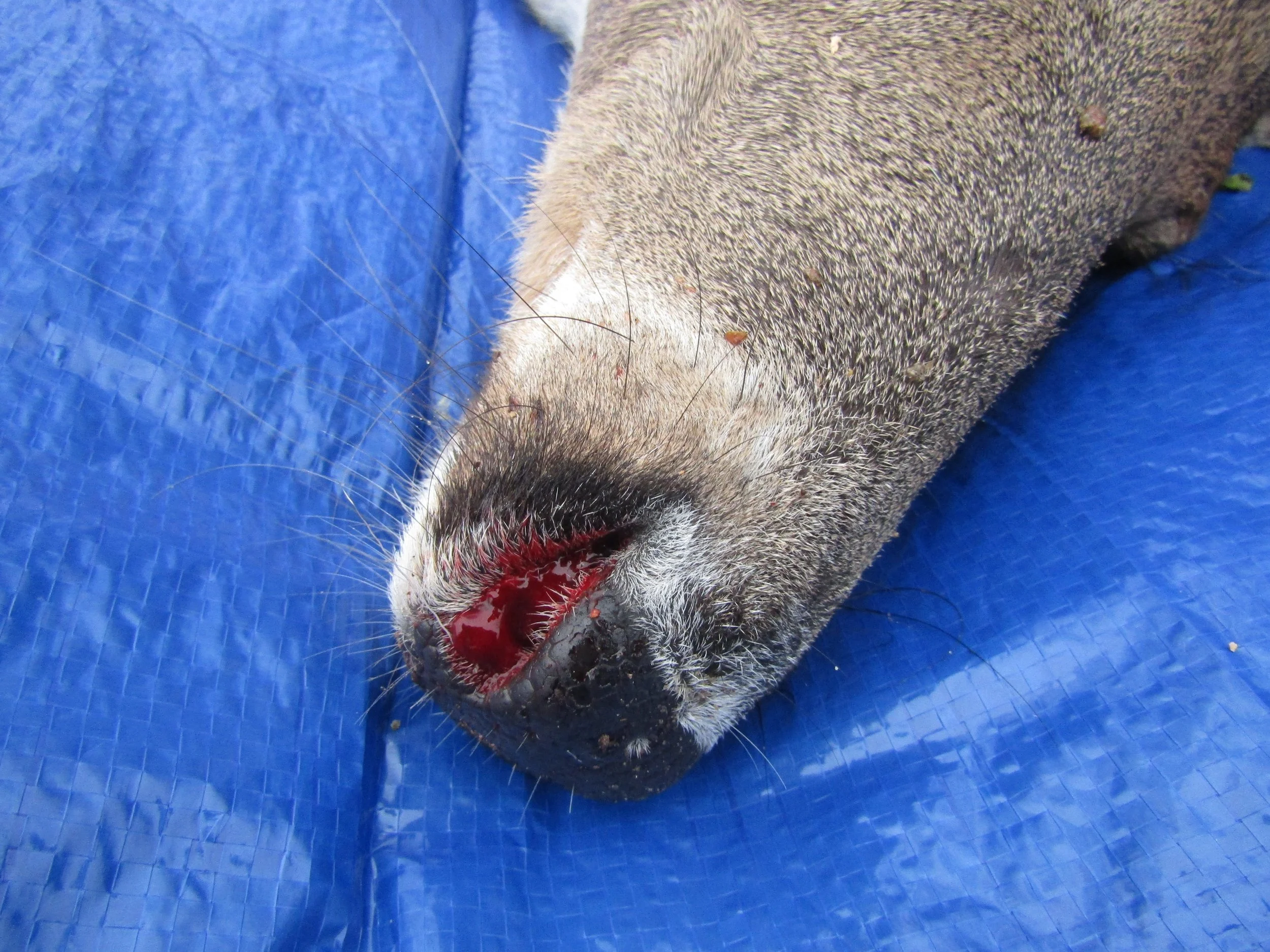
Salvagable deer: The blood on a fresh deer will be bright red, and sticky. This doe has been dead for several hours in 15 degree temperatures.
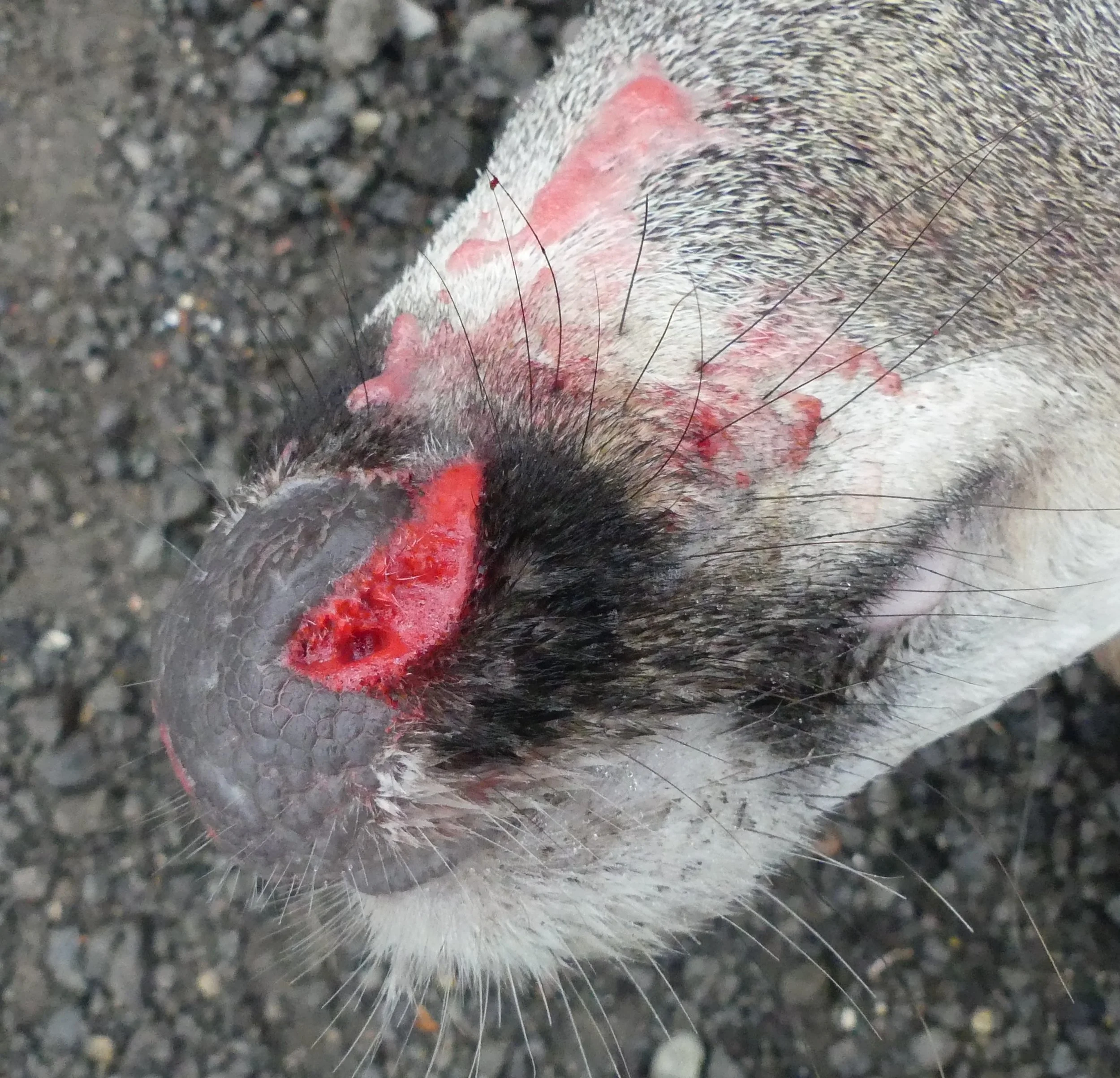
Salvagable deer: This buck above had both of his lungs punctured. The blood in his nose was a deep pink, and filled with bubbles. He had been dead for several hours in 35 degree temperatures.
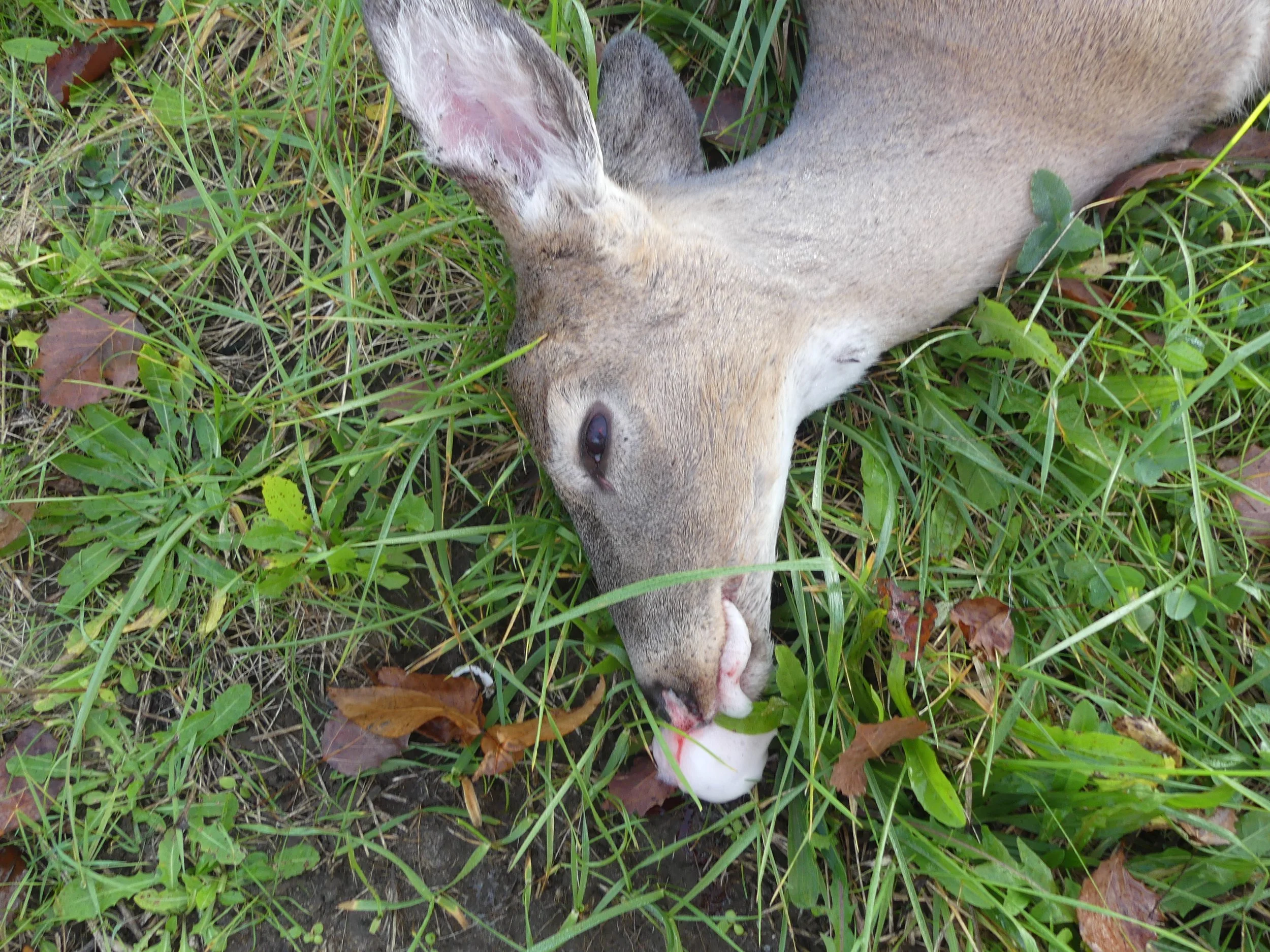
Unsalvagable deer: This doe was beginning to bloat. The foam coming from her nose was whitish, and was being expelled from her mouth in large quantities. Sometimes, gases from respirating bacteria in the deer’s stomach can cause fluids leaking from the body to form bubbles. This doe pictured was not salvagable, as the fur on her belly was slipping.
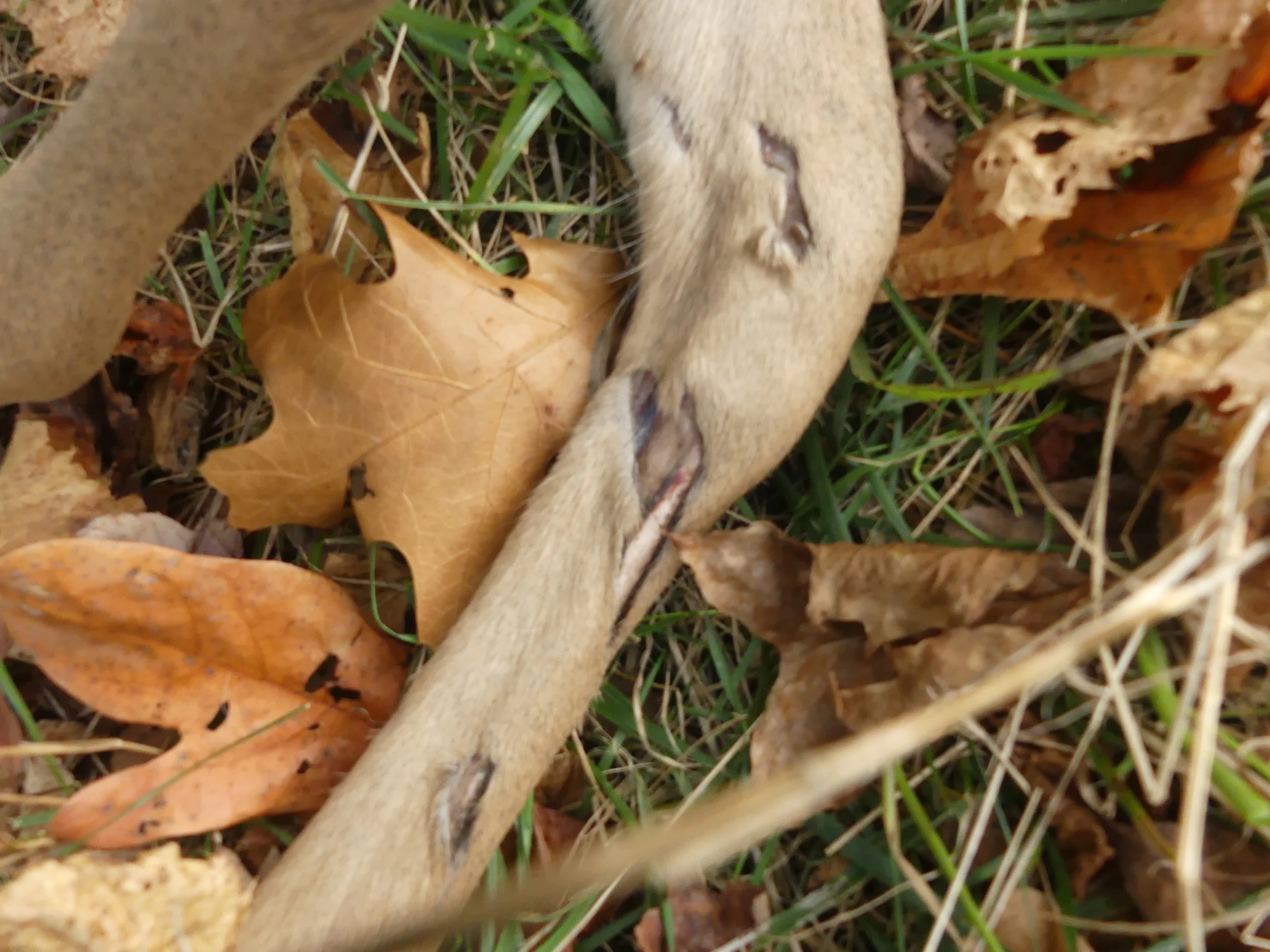
Unsalvagable deer: This deer has been dead for two days. His wounds had dried and turned brown. The blood leaking from his nose was almost black. Needless to say, we did not salvage him.
Bugs
Some bugs are more welcome on roadkill deer than others. If you find any live ticks, mites, or fleas, that is a good sign. Shortly after an animal dies, bloodsuckers abandon their hosts quickly in search of a new, warm blood supply. Flies on the other hand, may or may not be bad news. Flies tend to be active once the temperatures rises above 50 degrees fahrenheit. A couple flies here and there are no cause for concern, but a swarm is questionable. You may find fly eggs around the deer’s eyes, nose, or mouth. If the deer is fresh, and none of the rice-like eggs have hatched, the meat may still be good. If there are maggots actively working on the carcass, you can forget about it.
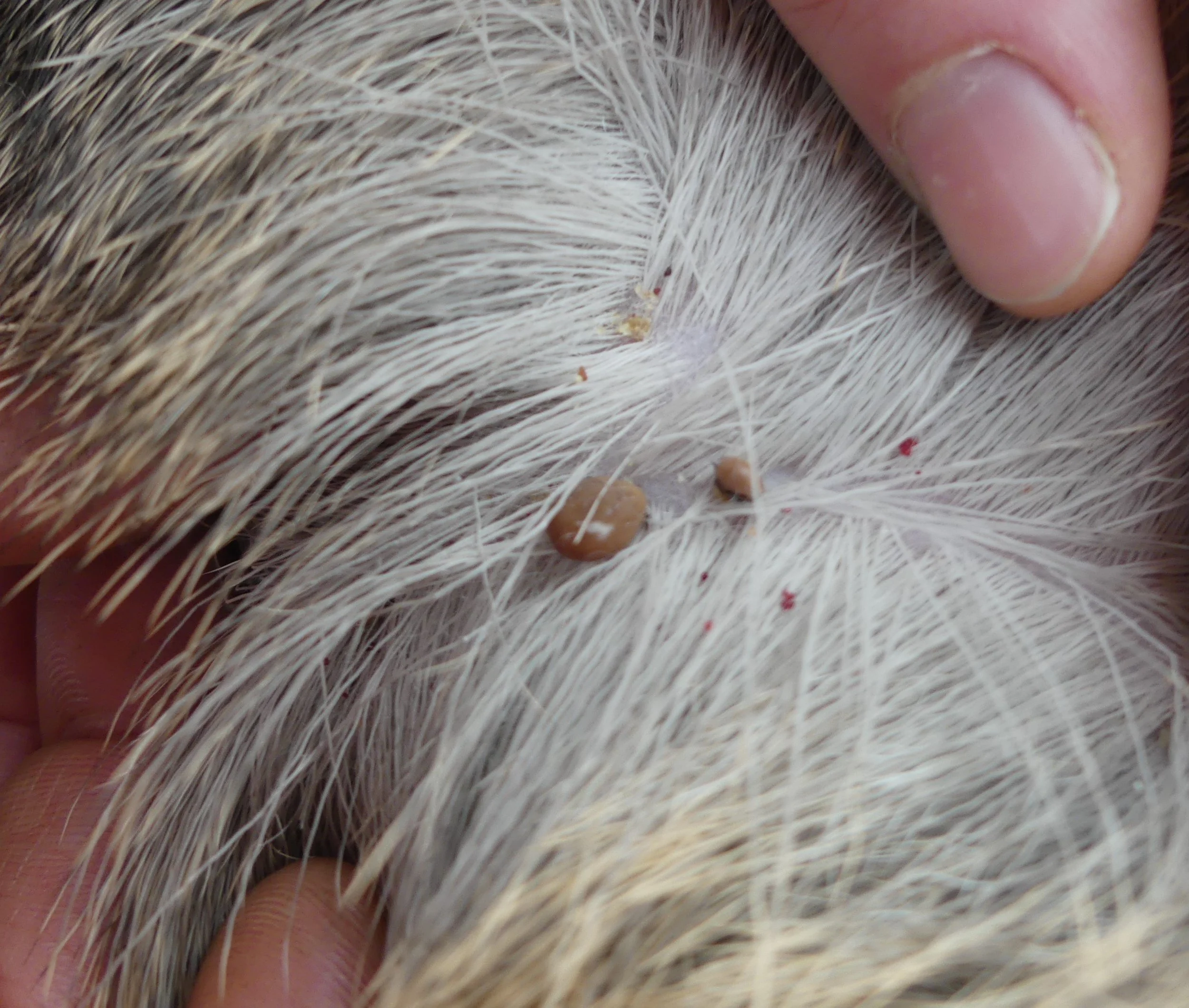
Salvagable deer: If there are live ticks or mites on a deer carcass, the deer hasn’t been dead for long. Bloodsuckers remaining on a carcass mean that there is still a warm source of blood to feed on. This deer pictured above had been dead for about five hours in 30 degrees weather.
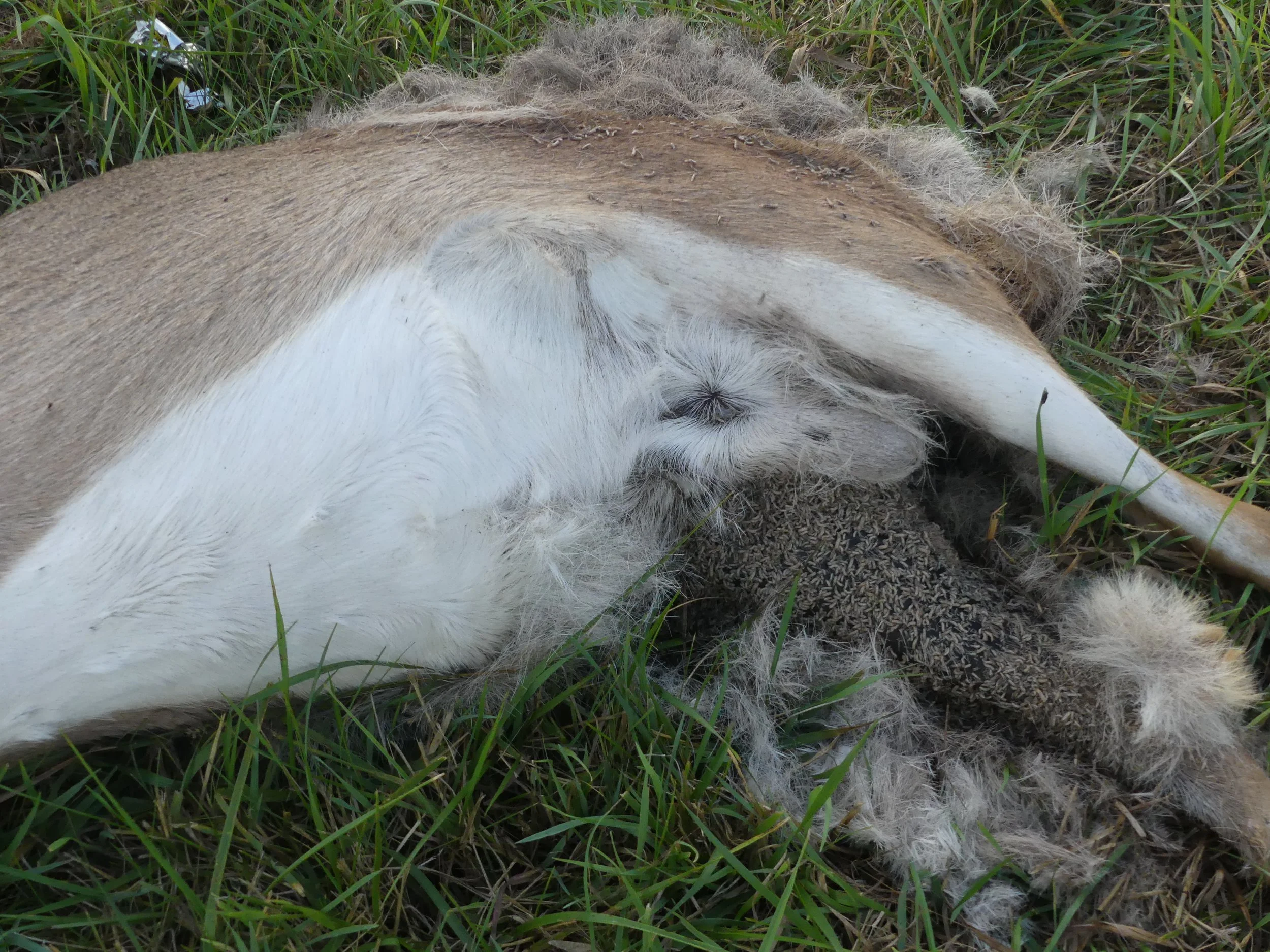
Unsalvagable deer: While a fly or two isn’t a cause for concern, maggots mean game over.
What about rigor mortis?
When many people see a stiff deer, they are quick to label the animal as unsalvagable. However, as someone who has eaten many stiff deer, nothing is further from the truth. Oftentimes, a deer’s body will start to stiffen several hours after death. If the temperatures are cold, it is likely that a deer dead for this amount of time is still perfectly safe to eat. I would argue that stiff deer have their benefits, as it’s easier to lift and load a stiffened deer. As long as the deer passes the other tests, do not let rigor mortis dissaude you.
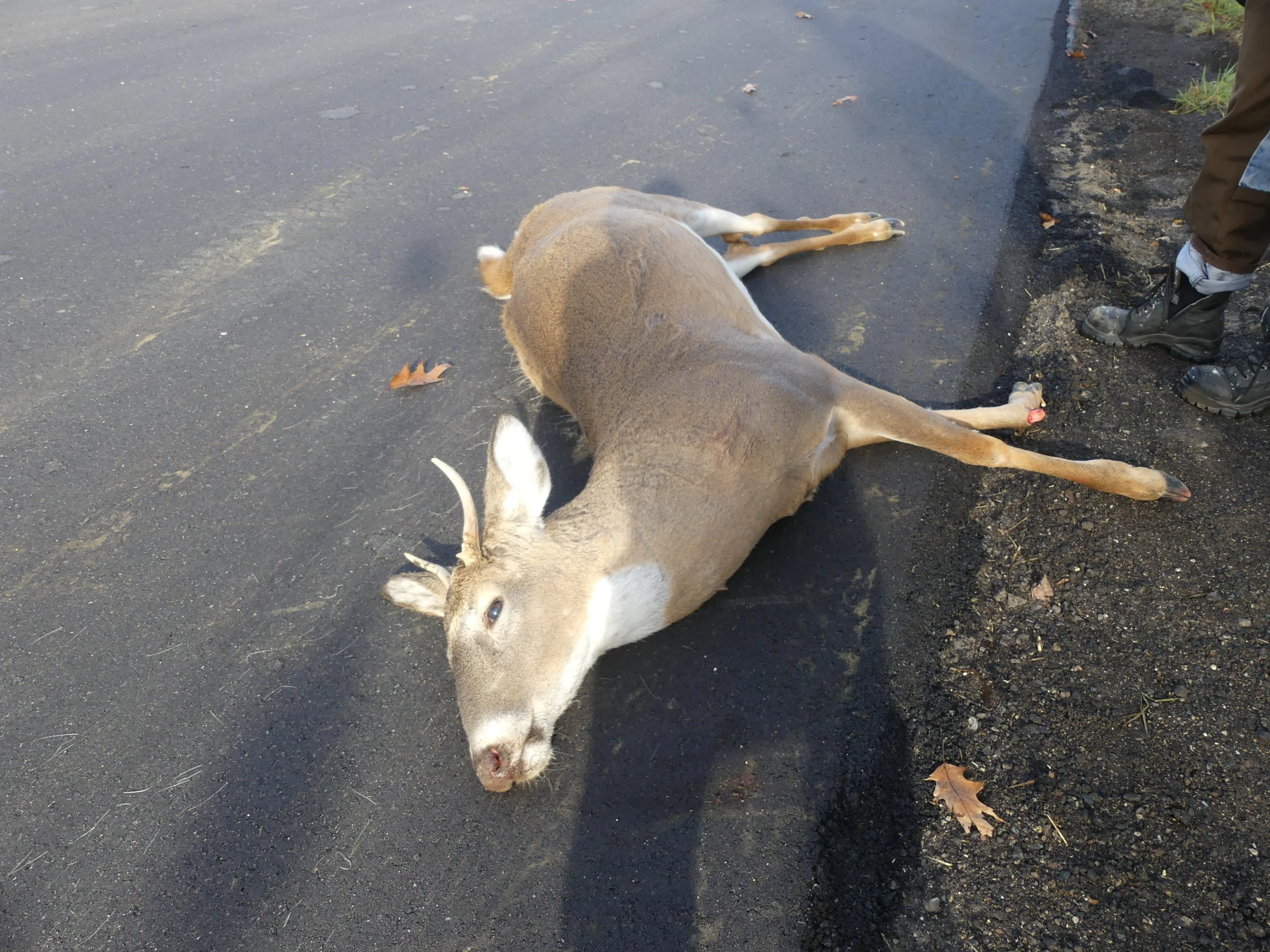
Salvagable deer: This buck had been dead for approximately five hours in 35 degree weather. Although he was stiff, he passed all of the tests!
Other clues that may identify a fresh deer:
The ground is covered in frost or snow, but the deer isn’t
The deer’s hide appears sleek and clean
There is car wreckage scattered nearby
There is fresh blood or hair smeared on the pavement-
Nobody has moved the deer out of the road
An obvious one; if there is a car still present on the scene
If the deer is a large buck, and nobody has cut off the antlers.
Any exposed meat is red or pink, without any green or gray spots.
Non Visual Clues
The deer feels warm to the touch; the ears and nose lose heat first, while the belly retains heat the longest.
The deer has a horse-like or musky odor.
A very fresh deer will have legs that move freely like a ragdoll.
